Neighbor Keeps Using My Driveway? Here’s How to Stop Them (Legal & Practical Tips)
Hey friends! 👋 So I was scrolling through some neighborhood forums recently and noticed this issue coming up again and again – what do you do when your neighbor keeps using your driveway without permission? It’s one of those frustrating situations that can really test your patience, especially when it happens repeatedly.
I know it might seem like a small thing at first, but when someone’s constantly turning around in your driveway, parking there, or even blocking your access, it can become a real headache. Your driveway is your private property, and unauthorized use often constitutes trespassing – though I discovered the legal details can vary depending on where you live and specific circumstances.
Start With Communication (The Friendly Approach)
Before we jump into any more assertive solutions, let’s talk about the approach that all the experts recommend starting with: good old-fashioned communication. I know, I know – sometimes the last thing you want to do is have an awkward conversation with your neighbor. But trust me, this can save you so much stress down the line!
When I looked into this, research suggests starting with a friendly conversation during a calm moment works best. Maybe catch them when they’re getting their mail or watering their plants – not when they’re actively using your driveway. Keep it light and non-confrontational at first. Something like “Hey, I’ve noticed you’ve been using my driveway for turnarounds, and it’s been making it tricky for me to get in and out sometimes. Would you mind using the street instead?”

If the casual approach doesn’t work, you can escalate to sending a formal written letter via certified mail (which creates proof of delivery) outlining the issue and your proposed solution. This creates a paper trail for potential future action, but hopefully it won’t come to that!
Physical Barriers That Send a Clear Message
Okay, so let’s say you’ve tried talking to them and the behavior continues. This is where physical barriers can really come in handy. I was surprised by how many creative solutions people have come up with for this exact problem!
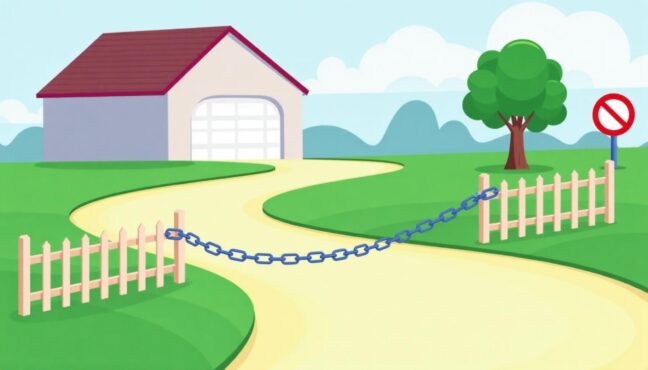
One of the most popular choices is installing a chain across the driveway entrance. This sends a clear signal that the space is private property. It’s also relatively inexpensive and easy to install yourself if you’re handy – though if you’re renting, definitely check with your landlord first!
For preventing parking in front of your house, traffic cones are your best friend. They’re portable, highly visible, and most people understand what they mean without you having to say a word.
Another option that’s a bit more permanent but highly effective is installing fencing to block access. This does require more investment, but it completely solves the problem and can even boost your property’s curb appeal.
My personal favorite low-effort solution? Simply parking your car at the foot of the driveway to physically prevent turnarounds. It’s free, immediate, and requires zero confrontation!
Technology to Your Rescue
In today’s world, we’ve got some pretty amazing tech solutions that can help with driveway disputes. Security cameras are a valuable tool here – they serve dual purposes as both evidence collectors and deterrents.
When I researched security camera options, I discovered they’re more affordable than ever. You can get systems that record 24/7 or only when motion is detected, and many connect right to your phone so you get alerts instantly.
The benefit of using cameras is that they prevent denial of accusations. If your neighbor claims they never used your driveway, you’ve got the proof right there. Plus, many people will think twice about trespassing when they see cameras pointed at your property.
When You Need to Get Legal
Sometimes, despite your best efforts, the situation escalates to the point where you need to consider legal actions. This should always be your last resort, but it’s good to know your options – and I can’t stress enough how much local laws vary, so consulting with a property attorney is really important for serious cases.
The first step here is documentation. Keep a log of every incident – date, time, what happened, and if possible, take photos or videos. This creates a pattern of behavior that can be crucial if you need to make a formal complaint.
Next, review your local property laws. Every municipality has different regulations about trespassing and property rights, and there might even be easement rights involved if your neighbor has been using the driveway for many years. Understanding exactly what protections you have where you live is essential.
If the problem persists, you might want to send a formal cease-and-desist letter. This creates documentation of your request, though it’s worth noting these letters aren’t legally enforceable on their own – they’re more of a formal warning that shows you’re serious about the situation.
Don’t Forget About Mediation
Here’s an option that many people overlook but can be incredibly effective: third-party mediation. Many local community service centers offer mediation services specifically for neighbor disputes, and they’re often free or low-cost. The best part? Community mediation has a documented 90% success rate nationally for resolving neighbor conflicts!
The advantage of mediation is that it keeps things out of court while still addressing the problem seriously. A neutral third party can help facilitate a conversation where both sides feel heard, which can lead to a mutually agreeable solution that preserves your neighborly relationship.

Frequently Asked Questions
Q: Is it really trespassing if they’re just turning around quickly?
A: While your driveway is private property, the legal reality varies by jurisdiction. Some areas treat brief entries like turnarounds as minor incidents unless they cause damage or disturbance. According to legal research, intent and local statutes often determine whether it’s actionable trespassing.
Q: What if I live in a rental – can I still take action?
A: Absolutely! You’ll want to involve your landlord, but they have the same property rights and can address the issue on your behalf. Just remember to check with them before installing any permanent barriers.
Q: Do I need to put up No Trespassing signs to make it official?
A: Your property rights exist regardless of whether signs are posted, but in many jurisdictions, establishing trespass on unfenced land requires clearly displayed signs. Visible signage can serve as an additional deterrent and help prevent claims of ignorance.
Q: What if the neighbor gets confrontational when I talk to them?
A: That’s when it’s time to skip straight to written communication or involve a mediator. Your safety always comes first!
Wrapping Up
Dealing with driveway trespassing can feel overwhelming, but remember – you have rights and options. The key is starting with communication and only escalating if necessary. Whether it’s a friendly chat, a physical barrier, or legal action, there’s a solution that will work for your situation.
Have you dealt with neighbor boundary issues before? I’d love to hear what worked for you in the comments below! Let’s help each other navigate these tricky situations with grace and effectiveness. 💪
Remember, your home should be your sanctuary – and that includes your driveway!