Blog

  • Black Friday 2025 Extended Deals: Best Sales Now

    Black Friday/Cyber Monday 2025: What’s Still Worth Buying Now

    Hey friends! So Black Friday and Cyber Monday 2025 are officially over, but here’s the secret I just discovered: the deals aren’t actually gone yet! I was doing my usual online browsing this week and noticed so many retailers are still running extended sales into early December. If you’re like me and missed the main event (or just want to snag some last-minute savings), this is your second chance!

    I was honestly surprised to see how many amazing discounts are still available. According to the latest shopping data, this year’s holiday sales were absolutely massive – we’re talking about $14.25 billion spent on Cyber Monday alone! But here’s the thing I want to share with you: many of those deals are still live right now, and some are even better than what we saw during the actual Black Friday weekend.

    Why Extended Deals Are Your Secret Weapon

    Okay, let me break down what’s happening right now. The official dates were Black Friday on November 28th and Cyber Monday on December 1st, but retailers have extended many promotions through early December 2025. I noticed this trend when checking multiple stores – they’re basically giving us a grace period to catch those deals we might have missed!

    What’s really interesting is that consumer behavior has changed so much this year. Shopping activity surged between 10 a.m. and 2 p.m. local time, and online carts were filling at $12.5 million per minute during peak! But here’s the good news for us late shoppers: inventory and discounts are still holding strong for many items.

    Friends discovering extended Black Friday deals online in cozy setting

    7 Categories That Are Still Worth Your Money

    1. Tech & Electronics: The Deals Are Still Hot πŸ”₯

    I can’t believe how many tech deals are still available! When I checked Amazon yesterday, Apple AirPods Gen 4 were still at their record-low prices, and Apple smartwatches had that $70-off promotion running. Gaming headsets, laptops, and smart TVs are also still heavily discounted. I was particularly impressed that Best Buy is still offering up to 50% off with constantly added limited-time deals.

    What’s really fascinating is how AI has changed shopping this year. Walmart’s Gen AI assistant ‘Sparky’ became a game-changer for comparing deals and finding the best products. According to the 2025 AI shopping trends report, AI became the primary shopping assistant for many people during this season.

    2. Home & Kitchen: Upgrade Your Space

    If you’ve been wanting to upgrade your kitchen or home, now is the time! I spotted air fryers and vacuum cleaners from premium brands like Dyson and Shark still discounted. All-Clad cookware is also still on sale, which is pretty rare since their products don’t often go on deep discounts.

    Target is running new deals every Sunday through December 24th with Deal of the Day promotions up to 50% off on select items for Target Circle members. Wayfair also has their Extended Cyber Monday sale with up to 80% off furniture and decor – perfect for that home refresh you’ve been planning!

    3. Beauty & Personal Care: Treat Yourself

    Okay, this one got me really excited! Sephora’s Cyber Week is still going strong with 30% off select brands including tarte, NARS, Fenty Beauty, and Sunday Riley. The Dyson Supersonic Hair Dryer is still 27% off, and the Dyson AirWrap is 23% off – these rarely go on sale, so this is a real steal!

    Kiehl’s skin care products are also still discounted, which is perfect timing with winter weather approaching. I always stock up on my favorite moisturizers during these sales since the savings add up quickly.

    Luxury beauty products on display during extended holiday sales

    4. Fashion & Apparel: Refresh Your Wardrobe

    Major brands like Nike and Lululemon are still running their post-Cyber Monday sales. I noticed that inventory is starting to get limited on popular sizes and colors, so if you see something you love, don’t wait too long!

    Wrangler denim is still available at discounted prices, and I’ve heard great things about their quality. This tells me that the extended deals aren’t just leftover inventory – they’re genuinely good products that retailers want to move.

    5. Travel Deals: Plan Your 2026 Getaway

    This might be the most surprising category with ongoing deals! American Airlines is still offering one-way domestic flights under $100 for January-February 2026 travel. Delta also extended their Cyber Monday flight deals through December 3rd.

    Given that travel prices are expected to rise in 2026, locking in these rates now could save you hundreds on your next vacation. I’m actually considering booking a winter escape myself!

    6. Home Goods & Furniture: Perfect Timing

    Wayfair’s extended sale with up to 80% off furniture and decor is perfect if you’re doing any holiday hosting or home updates. The timing works out beautifully since you can get your new pieces delivered before the holidays.

    I’ve found that furniture sales like this are particularly valuable because these items rarely go on such deep discounts throughout the year. With food prices predicted to increase in 2026, buying now could save you significant money on household essentials.

    7. Entertainment & Toys: Holiday Cheer Savings

    LEGO sets are still heavily discounted, which is perfect for holiday gifts. Disney+ subscriptions are also on sale, and gaming accessories are still available at great prices.

    With the holiday season in full swing, these entertainment deals can really help stretch your gift budget. I always try to stock up on toys and games during these sales since they make perfect last-minute gifts.

    Family enjoying entertainment products purchased during extended holiday sales

    Shopping Smart: Tips for Maximizing Your Savings

    Here’s what I’ve learned from tracking these extended deals:

    Act quickly but strategically – Popular sizes and colors are selling out fast, but there’s still good inventory available if you shop now. The key is to prioritize what you really need versus what can wait.

    Watch for daily deals – Retailers like Target are adding new promotions every Sunday, so it pays to check back regularly.

    Consider Buy Now, Pay Later – Over $1 billion was spent using BNPL services during the BF/CM weekend, and these options are still available. Millennials accounted for 51% of BNPL purchases, making it a popular way to manage holiday spending.

    Compare prices – With AI shopping assistants now widely available, it’s easier than ever to ensure you’re getting the best deal. Best Buy actually dominated AI searches by owning the ‘best deal’ story across major categories like electronics and appliances.

    Frequently Asked Questions

    Q: How long will these extended deals last?
    A: Most retailers are running them through December 2-3, but some like Target are offering deals through December 24th. However, inventory is limited and the best discounts tend to disappear first.

    Q: Are the discounts as good as Black Friday itself?
    A: Surprisingly, some are actually better! Amazon has extended Cyber Monday deals with some at lower prices than Black Friday. The average discount rate in 2025 was 25%, up from 21% in 2024, so the savings are real.

    Q: What should I avoid buying now?
    A: According to shopping experts, skip items that are already sold out or have limited stock, products with weaker discounts compared to actual BF/CM days, and non-essential items if you can wait for potential January sales.

    Q: Is mobile shopping really that important?
    A: Absolutely! Mobile shopping accounted for 57.5% of total sales this year according to Adobe Analytics. Make sure you’re shopping on mobile-optimized sites and apps for the best experience.

    Final Thoughts: Don’t Miss Your Second Chance

    Friends, I can’t stress enough how valuable these extended deals are. With record-breaking sales statistics showing $44.2 billion in online spending during the five-day Thanksgiving-Cyber Monday period, it’s clear that retailers are motivated to keep the momentum going.

    The shopping landscape has changed so much this year with AI-powered shopping assistants and increased mobile usage. But the core truth remains: these extended December deals give us a fantastic opportunity to snag products we need at prices we’ll love.

    So take advantage of this window while it lasts! Check your favorite retailers, use those AI shopping tools, and treat yourself (or get a head start on next year’s needs). Happy shopping, and may the deals be ever in your favor! πŸ›οΈβœ¨

  • RosalΓ­a & Doja Cat 2026 Tour Presale Tickets & Codes

    RosalΓ­a & Doja Cat 2026 Tour Presale Tickets & Codes

    Hey friends! ✨

    If you’re anything like me, you’re probably already dreaming about those epic 2026 concert tours coming up – especially RosalΓ­a’s LUX world tour and Doja Cat’s Tour Ma Vie. But let’s be real: getting tickets these days feels like trying to win the lottery, especially with ticket prices rising 20% since 2021!

    I’ve been doing some serious research on this because I know how frustrating it can be when you’re ready to snag those perfect seats and they disappear before your eyes. The good news? There are actually some really smart strategies that can give you a major advantage. I looked into all the latest presale methods and industry trends, and I’m excited to share what I found with you!

    Why Presale Tickets Are Your Golden Ticket

    First things first – what exactly are presale tickets? Basically, they’re special early access periods before the general public sale begins. A presale code is like a special password that lets you buy tickets before everyone else gets the chance. But here’s the important thing to remember: presale codes don’t guarantee tickets – they just give you a head start in the race.

    What I’ve noticed is that these early access periods are your best shot at getting better seats at better prices. We’re talking aisle seats, front-row views, center sections – all the prime real estate that disappears within minutes during general sales.

    Fans celebrating at a concert with phones lit up

    7 Insider Strategies That Actually Work

    1. Fan Clubs & Mailing Lists Are Everything

    This is hands-down the earliest access you can get! Artists really do reward their most loyal fans, and RosalΓ­a and Doja Cat are no exception. For RosalΓ­a’s LUX tour, there’s an Artist Presale running from Tuesday, December 9 at 2:00 p.m. local time through Thursday, December 11 at 8:00 a.m. local time. The general sale begins December 11 at 9:00 a.m. local time.

    For Doja Cat’s Tour Ma Vie, there was a signup deadline back in October 2025 for artist presale access that’s already passed, but there are still other presales to try!

    What I’ve found super helpful is signing up for services like Seated, Laylo, or Bandsintown. These platforms often send out presale codes before anyone else knows about them. Just make sure you’re subscribed to the artists’ official newsletters too – sometimes those fan club memberships do have costs, so always read the details before signing up!

    2. Credit Card Perks You Didn’t Know About

    Okay, this one surprised me too! Did you know that credit card companies like American Express, Citi, Chase, and Capital One offer presale access as cardholder benefits? For RosalΓ­a’s tour, there’s actually an American Express Presale for select North American dates on December 9.

    Here’s the insider scoop: for Amex presales, the code is usually the customer service phone number on the back of your card. For Citi, it’s typically the first six digits of your card number, though they’ve been transitioning to account linking for select events. This is such a huge advantage because these presales often happen even before artist presales!

    3. Streaming Platforms Are Your Secret Weapon

    If you’re a serious Spotify listener, you’re in luck! Spotify’s ‘Fans First’ initiative (which has been running since 2017 and has generated $200 million for artists) actually selects active listeners who follow artists to receive unique presale codes. I found out that Live Nation CEO Michael Rapino confirmed they’re in discussions with Spotify, Apple, and Amazon about presale access for super-premium tier subscribers, though these talks haven’t resulted in programs yet.

    The key here is making sure your email notifications are enabled on your streaming accounts. The more you listen to an artist, the more likely you are to be chosen for these exclusive presale opportunities.

    Close-up of a smartphone showing music streaming app with concert notifications

    4. Don’t Sleep on Venue & Promoter Newsletters

    This is one of those under-the-radar tips that can make a huge difference. Almost every arena maintains mailing lists where subscribers receive early announcements and exclusive presale codes. Major promoters like Live Nation and AEG run presales that cover multiple cities and tours.

    I’ve signed up for my local venue newsletters and it’s been a total lifesaver. Sometimes they’ll send out codes that aren’t advertised anywhere else, giving you access to tickets that other fans don’t even know are available yet.

    5. The Multiple Account Strategy

    Now this might sound a bit extra, but hear me out! Signing up for presales using multiple accounts and for multiple concert dates can seriously increase your chances of getting to the front of the queue. The logic is simple: more accounts attempting means better odds that at least one gets through.

    I know it sounds like a lot of work, but when you’re up against thousands of other fans trying to get the same tickets, every advantage counts. Just make sure you’re using different email addresses and have all your payment information ready to go. (Quick note: always check the ticketing platform’s terms of service regarding multiple account usage!)

    6. Preparation Is Everything

    This is probably the most important lesson I’ve learned: preparation makes all the difference. Save your payment information in your ticketing accounts ahead of time for one-click checkout. Log in before the sale starts, set multiple alarms, and be ready to refresh the event page the moment it opens.

    One thing I can’t stress enough: don’t overthink seat selection during checkout. The longer you browse, the more likely tickets will disappear from your cart. Have a plan going in about what sections you want and what your budget is.

    7. Social Media Monitoring

    Artists often post exclusive codes on their Instagram, Facebook, or X stories, bios, or announcements. Venues and promoters do the same for city-specific shows. I’ve also found that radio stations share presale passwords on their websites and social media.

    The trick here is to turn on notifications for your favorite artists and venues. Sometimes these codes are only available for a few hours, so you need to be quick!

    Person scrolling through social media on phone with concert announcements visible

    What to Expect for 2026 Tours

    RosalΓ­a LUX Tour 2026 Details

    RosalΓ­a’s massive ‘LUX’ world tour features 42 arena concerts across 17 countries in North America, South America, and Europe. The tour launches March 16, 2026 in Lyon, France and concludes September 3, 2026 in San Juan, Puerto Rico (which is a U.S. territory). Key North American stops include Madison Square Garden (June 16), United Center Chicago (June 20), T-Mobile Arena Las Vegas (June 27), and Kia Forum Los Angeles (June 29).

    Doja Cat Tour Ma Vie 2026 Details

    Doja Cat’s 2026 world tour supports her fifth studio album ‘Vie’ (released September 26, 2025) and spans Latin America, Europe, UK, and North America. VIP packages include premium tickets, pre-show CLUB VIE VIP Lounge access, and exclusive Doja Cat gift items. Notable dates include Little Caesars Arena Detroit (October 1, 2026) and United Center Chicago (October 3, 2026).

    Industry Trends You Should Know

    The concert industry has changed a lot recently, and understanding these trends can help you make smarter decisions. Ticket prices have been rising significantly, with some fans paying over $1,800 for single premium/VIP/resale shows in 2025. Dynamic pricing has sparked fierce criticism during recent tours, with artists like Neil Young and Robert Smith calling it a ‘greedy scam.’

    On the technology side, AI tools are now analyzing market trends and buyer behaviors for price prediction, demand forecasting, and fraud detection. NFT ticketing is emerging as a potentially secure, transparent method to reduce fraud, though it’s still a relatively new concept that hasn’t been widely adopted yet.

    One timing strategy I’ve found helpful: many tickets actually drop in price over time, especially 24-48 hours before events and in the final hours before showtime. Research shows tickets cost 33% less when purchased the same day!

    Frequently Asked Questions

    Q: Do presale codes guarantee I’ll get tickets?
    A: Unfortunately no – presale codes just give you early access. They don’t guarantee tickets, but they do give you a significant advantage over the general public.

    Q: How do I know which presale to try first?
    A: Artist and fan club presales typically offer the earliest access, followed by credit card presales, then streaming service presales. I’d recommend trying multiple presales if you can!

    Q: What happens if I miss all the presales?
    A: Don’t panic! There are often multiple presale waves through additional sponsors or last-minute fan club releases. Also, keep an eye out for tickets that might become available closer to the concert date on verified resale markets.

    Q: Are fan club memberships worth the cost?
    A: It really depends on how serious you are about getting tickets. For major tours like RosalΓ­a and Doja Cat, the early access can be priceless, but always read the details before signing up.

    Q: What about Ticketmaster’s waiting room system?
    A: The waiting room opens about 10 minutes before the sale – make sure you’re logged in and ready! Once you’re in, don’t refresh the page or you might lose your spot.

    Final Thoughts

    Getting presale concert tickets definitely takes some strategy and preparation, but it’s totally doable! The key is starting early, signing up for everything you can, and being ready when those sales go live.

    Remember that even if you don’t succeed in the presale, there are often other opportunities. Many tickets drop in price closer to the event date, and sometimes additional tickets are released last-minute.

    I’m rooting for all of you to get those amazing seats for RosalΓ­a and Doja Cat’s 2026 tours! Which show are you most excited about? Let me know in the comments below – and if you have any other presale tips that have worked for you, I’d love to hear them! 🎀

    Happy ticket hunting! πŸ’«

  • Dinosaur-Killing Asteroid Size Compared to Manhattan & Everest

    The Real Size of the Dinosaur-Killing Asteroid Will Blow Your Mind πŸ”₯

    Hey everyone! I was scrolling through Reddit the other day and this topic was gaining tons of attention – and honestly, I totally understand why. We’ve all heard that an asteroid wiped out the dinosaurs, but when I actually looked into how massive this thing was… well, let’s just say my jaw dropped. I had to share this with you all because the size comparisons are absolutely wild!

    Wait, How Big Was This Thing Really?

    So we’re talking about the asteroid that killed dinosaurs – that infamous space rock that ended the reign of the dinosaurs 66 million years ago. When I first heard about it, I imagined something maybe the size of a mountain, but the actual numbers are even crazier.

    This cosmic destroyer was approximately 10-15 kilometers (6-9 miles) in diameter. Now, I know numbers can be hard to visualize, so let me break this down with some comparisons that’ll make your head spin.

    Visualization of the massive dinosaur-killing asteroid in space

    Mind-Blowing Size Comparisons 🀯

    Comparison #1: The Area of Manhattan

    Okay, first up – imagine the entire island of Manhattan. The skyscrapers, Central Park, all of it. The asteroid had a surface area roughly twice the size of Manhattan! Can you imagine something that massive hurtling through space at insane speeds? It really puts things into perspective!

    Comparison #2: Wider Than Mount Everest

    Here’s another one that blew my mind – Mount Everest, the tallest mountain on Earth, stands at around 8.85 km (5.5 miles) tall. That means our dinosaur-killer was wider than Everest is tall! Think about that for a second – a space rock bigger across than the world’s highest mountain. No wonder it caused so much destruction.

    Comparison #3: It Was Planetary-Sized

    For my space nerds out there – the asteroid was comparable in diameter to Deimos, one of Mars’ moons! Deimos measures about 12.5 km across, putting it right in the same ballpark as our extinction-event causer. So basically, Earth got hit by something the size of a small moon.

    Artistic comparison of asteroid sizes in space

    The Impact Was Even More Terrifying πŸ’₯

    Now, size is one thing, but the sheer force of this impact is where things get really insane. This thing was traveling at approximately 20 kilometers (12.5 miles) per second – that’s 72,000 km/h or 44,738 mph! To put that in perspective, that’s about 20 times faster than a typical high-powered rifle bullet.

    The asteroid impact created the Chicxulub crater in Mexico, which is estimated to be about 180-200 kilometers (110-120 miles) in diameter and 30 kilometers (19 miles) deep. That’s big enough to swallow multiple cities whole!

    But here’s the real kicker – the explosion was equivalent to 100 million megatons of TNT. I know, numbers that big are hard to comprehend, but trust me – that’s more powerful than every nuclear weapon on Earth combined, times thousands. The energy released was absolutely unimaginable.

    The Aftermath: Why It Wiped Out 75% of Life

    This catastrophic impact caused what scientists call the Cretaceous-Paleogene extinction event. The immediate effects were bad enough – massive tsunamis, global wildfires – but the real killer was what came after.

    The impact threw so much debris into the atmosphere that it created a ‘nuclear winter’ effect, blocking most sunlight for up to 1-3 years with severe environmental effects lasting much longer. Plants died, food chains collapsed, and 75% of all plant and animal species on Earth perished, including all non-avian dinosaurs.

    Artistic depiction of asteroid impact and its immediate aftermath

    Where Is the Asteroid Now?

    This is something I was really curious about – what happened to the asteroid itself? Well, here’s the crazy part: the asteroid vaporized on impact. Poof! Gone! But fragments were scattered worldwide as part of the geological layer marking the extinction event. So technically, tiny pieces of dinosaur-killer are all around us.

    Your Burning Questions Answered πŸ™‹β€β™€οΈ

    Could something like this happen again?

    While asteroid impacts are always a possibility, NASA and other space agencies are actively monitoring near-Earth objects. The good news is that we’d likely detect something this size well in advance these days!

    Why did birds survive when other dinosaurs didn’t?

    This is one of those fascinating evolutionary questions! Scientists believe birds survived because they were smaller, could fly to find food, and some species could eat seeds that survived the catastrophe.

    How do we know all this happened 66 million years ago?

    The evidence is in the geological record – there’s a distinct layer of rock worldwide that contains iridium (rare on Earth but common in asteroids) and other impact evidence that dates to exactly this time period.

    What was the world like right after the impact?

    It would have been apocalyptic – dark, cold, with acid rain and widespread fires. The recovery took millions of years, but it ultimately paved the way for mammals (and eventually humans) to thrive.

    Final Thoughts: Perspective Is Everything 🌍

    Learning about the dinosaur extinction event really puts things in perspective for me. We worry about so many daily stresses, but then I remember that our entire planet has faced catastrophes on this scale and still recovered in amazing ways.

    The fact that we can piece together what happened 66 million years ago from geological evidence is just incredible. It shows how resilient life is, and how even the most devastating events can eventually lead to new beginnings.

    So next time you’re feeling stressed about, well, anything – remember that we’re living on a planet that survived being hit by a space rock wider than Mount Everest traveling at 44,738 mph. Pretty puts things in perspective, doesn’t it?

    What comparison blew your mind the most? Let me know in the comments – I’m still not over the Mount Everest comparison myself! πŸ‘‡

  • Stop Neighbors Trespassing Driveway: Legal Options

    Neighbor Keeps Using My Driveway? Here’s How to Stop Them (Legal & Practical Tips)

    Hey friends! πŸ‘‹ So I was scrolling through some neighborhood forums recently and noticed this issue coming up again and again – what do you do when your neighbor keeps using your driveway without permission? It’s one of those frustrating situations that can really test your patience, especially when it happens repeatedly.

    I know it might seem like a small thing at first, but when someone’s constantly turning around in your driveway, parking there, or even blocking your access, it can become a real headache. Your driveway is your private property, and unauthorized use often constitutes trespassing – though I discovered the legal details can vary depending on where you live and specific circumstances.

    Start With Communication (The Friendly Approach)

    Before we jump into any more assertive solutions, let’s talk about the approach that all the experts recommend starting with: good old-fashioned communication. I know, I know – sometimes the last thing you want to do is have an awkward conversation with your neighbor. But trust me, this can save you so much stress down the line!

    When I looked into this, research suggests starting with a friendly conversation during a calm moment works best. Maybe catch them when they’re getting their mail or watering their plants – not when they’re actively using your driveway. Keep it light and non-confrontational at first. Something like “Hey, I’ve noticed you’ve been using my driveway for turnarounds, and it’s been making it tricky for me to get in and out sometimes. Would you mind using the street instead?”

    Neighbors having a friendly conversation about property boundaries

    If the casual approach doesn’t work, you can escalate to sending a formal written letter via certified mail (which creates proof of delivery) outlining the issue and your proposed solution. This creates a paper trail for potential future action, but hopefully it won’t come to that!

    Physical Barriers That Send a Clear Message

    Okay, so let’s say you’ve tried talking to them and the behavior continues. This is where physical barriers can really come in handy. I was surprised by how many creative solutions people have come up with for this exact problem!

    One of the most popular choices is installing a chain across the driveway entrance. This sends a clear signal that the space is private property. It’s also relatively inexpensive and easy to install yourself if you’re handy – though if you’re renting, definitely check with your landlord first!

    For preventing parking in front of your house, traffic cones are your best friend. They’re portable, highly visible, and most people understand what they mean without you having to say a word.

    Another option that’s a bit more permanent but highly effective is installing fencing to block access. This does require more investment, but it completely solves the problem and can even boost your property’s curb appeal.

    My personal favorite low-effort solution? Simply parking your car at the foot of the driveway to physically prevent turnarounds. It’s free, immediate, and requires zero confrontation!

    Driveway with chain barrier and No Parking sign

    Technology to Your Rescue

    In today’s world, we’ve got some pretty amazing tech solutions that can help with driveway disputes. Security cameras are a valuable tool here – they serve dual purposes as both evidence collectors and deterrents.

    When I researched security camera options, I discovered they’re more affordable than ever. You can get systems that record 24/7 or only when motion is detected, and many connect right to your phone so you get alerts instantly.

    The benefit of using cameras is that they prevent denial of accusations. If your neighbor claims they never used your driveway, you’ve got the proof right there. Plus, many people will think twice about trespassing when they see cameras pointed at your property.

    When You Need to Get Legal

    Sometimes, despite your best efforts, the situation escalates to the point where you need to consider legal actions. This should always be your last resort, but it’s good to know your options – and I can’t stress enough how much local laws vary, so consulting with a property attorney is really important for serious cases.

    The first step here is documentation. Keep a log of every incident – date, time, what happened, and if possible, take photos or videos. This creates a pattern of behavior that can be crucial if you need to make a formal complaint.

    Next, review your local property laws. Every municipality has different regulations about trespassing and property rights, and there might even be easement rights involved if your neighbor has been using the driveway for many years. Understanding exactly what protections you have where you live is essential.

    If the problem persists, you might want to send a formal cease-and-desist letter. This creates documentation of your request, though it’s worth noting these letters aren’t legally enforceable on their own – they’re more of a formal warning that shows you’re serious about the situation.

    Don’t Forget About Mediation

    Here’s an option that many people overlook but can be incredibly effective: third-party mediation. Many local community service centers offer mediation services specifically for neighbor disputes, and they’re often free or low-cost. The best part? Community mediation has a documented 90% success rate nationally for resolving neighbor conflicts!

    The advantage of mediation is that it keeps things out of court while still addressing the problem seriously. A neutral third party can help facilitate a conversation where both sides feel heard, which can lead to a mutually agreeable solution that preserves your neighborly relationship.

    Mediator helping neighbors resolve their dispute

    Frequently Asked Questions

    Q: Is it really trespassing if they’re just turning around quickly?
    A: While your driveway is private property, the legal reality varies by jurisdiction. Some areas treat brief entries like turnarounds as minor incidents unless they cause damage or disturbance. According to legal research, intent and local statutes often determine whether it’s actionable trespassing.

    Q: What if I live in a rental – can I still take action?
    A: Absolutely! You’ll want to involve your landlord, but they have the same property rights and can address the issue on your behalf. Just remember to check with them before installing any permanent barriers.

    Q: Do I need to put up No Trespassing signs to make it official?
    A: Your property rights exist regardless of whether signs are posted, but in many jurisdictions, establishing trespass on unfenced land requires clearly displayed signs. Visible signage can serve as an additional deterrent and help prevent claims of ignorance.

    Q: What if the neighbor gets confrontational when I talk to them?
    A: That’s when it’s time to skip straight to written communication or involve a mediator. Your safety always comes first!

    Wrapping Up

    Dealing with driveway trespassing can feel overwhelming, but remember – you have rights and options. The key is starting with communication and only escalating if necessary. Whether it’s a friendly chat, a physical barrier, or legal action, there’s a solution that will work for your situation.

    Have you dealt with neighbor boundary issues before? I’d love to hear what worked for you in the comments below! Let’s help each other navigate these tricky situations with grace and effectiveness. πŸ’ͺ

    Remember, your home should be your sanctuary – and that includes your driveway!

  • Luxury Hotel Hidden Fees: Insider Secrets Revealed

    5-Star Hotels’ Biggest Ripoffs Exposed: What Luxury Workers Say You’re Overpaying For

    Hey friends! πŸ‘‹ I’ve been seeing this topic blowing up everywhere lately, and honestly, it’s something I’ve wondered about too. You know that feeling when you’re staying at a gorgeous luxury hotel, everything looks perfect, but then you get the bill and your jaw drops? Yeah, me too. So I did some digging into what luxury industry insiders are saying about where our money actually goes – and wow, the revelations are eye-opening!

    The Breakfast That Costs More Than Your Flight

    Let’s start with something we all experience: hotel dining. I was absolutely shocked to learn about some of the pricing at luxury hotels. Did you know that at the Four Seasons Mumbai, two simple eggs can cost you β‚Ή1,700? That’s not a typo! And remember that viral story about actor Rahul Bose being charged β‚Ή442 for two bananas? These aren’t isolated incidents – they’re part of a pattern.

    What really got me was discovering that five-star hotels in India typically have food costs that are less than 35% of the sales price. That means when you’re paying $35 for breakfast or $50+ for dinner per person, less than a third of that is actually going toward your food. The rest? Well, let’s just say you’re paying for the chandeliers and the fancy linen napkins.

    Luxury hotel breakfast table with visible high price tags

    The Sneaky Junk Fees Nobody Talks About

    Okay, this one really gets me fired up. You think you’re paying a set price for your luxury stay, but then all these random charges start appearing. The hotel industry now costs Americans an estimated $3.4 billion in junk fees annually through something called ‘drip pricing’ – and it’s only gotten worse since 2018.

    Some hotels, like the Dorchester Collection which introduced this in 2022, add an optional 5% fee on every night’s stay. Optional? More like automatically added unless you notice and complain! The good news is 100% of this charge goes to staff, but consumer rights lawyers have called this practice ‘nonsensical to nickel and dime people at the top end of the market’ – and they’re absolutely right. Why charge premium prices and then still hit you with all these extra fees?

    Common culprits include resort fees (even if you’re not using any resort amenities), breakfast charges (wait, wasn’t that included?), minibar items that cost more than your monthly grocery bill, bottled water (when tap water is perfectly fine), parking fees that could finance a small car, and internet access charges that feel like we’ve time-traveled back to 2005.

    Fine Dining Secrets That Will Make You Rethink Everything

    Now let’s talk about those fancy restaurants inside these hotels. I’ve got some insider insights that might change how you view fine dining forever. First up: truffle oil. That luxurious, earthy flavor you’re paying extra for? Turns out most truffle oil doesn’t contain real truffles at all – it’s just a synthetic concoction with a fancy label. Mind blown, right?

    But wait, there’s more. Some upscale restaurants use cooking techniques that might surprise you. While sous vide (where food is vacuum-sealed and cooked at precise temperatures) is actually a respected fine dining method for preserving flavors, some establishments take shortcuts by reheating pre-prepared meals while charging premium prices. When I learned this, I felt like I’d been let in on the biggest secret in the hospitality industry.

    Chef reheating pre-prepared meals in luxury kitchen

    Why Do They Get Away With It?

    So here’s the million-dollar question: why do luxury hotels charge so much when they’re clearly cutting corners? The answer is simpler than you might think. Their target market is rich and affluent customers, not budget-conscious or middle-income earners. People who won’t bat an eye at a $50 breakfast or a $20 bottle of water.

    Hotels justify these prices through overhead costs (those marble floors aren’t cheap), premium ingredients (even if they’re only using some of them), and the overall luxury experience. But here’s what industry watchers reveal: some luxury hotels are actually most likely to nickel and dime customers for everything despite their premium pricing. It’s like they’re counting on guests being too polite or too wealthy to complain.

    What Can We Do About It?

    After learning all this, I’ve started being much more intentional about my luxury stays. Here are some things I’m doing differently:

    • I always ask about all potential fees before booking
    • I skip the minibar and grab snacks from nearby stores
    • I question whether I really need that $20 bottled water
    • I research whether the hotel’s restaurants are actually worth their prices
    • I’m not afraid to question charges that seem unreasonable

    Workers in the industry say that being informed and speaking up can actually make a difference. These practices continue because most guests don’t push back.

    Traveler questioning hotel bill charges at front desk

    Frequently Asked Questions

    Q: Are all luxury hotels like this?
    A: Not all, but many follow similar pricing strategies. The key is to research specific hotels and read recent reviews from guests who mention pricing transparency.

    Q: Is it worth staying at luxury hotels given these practices?
    A: That’s personal! If you value the experience and service, it might still be worth it. But being aware helps you make informed choices about what you’re actually paying for.

    Q: What’s the most surprising ripoff you found?
    A: For me, it was learning about the $3.4 billion in annual junk fees and how common drip pricing has become. It feels deliberately deceptive.

    Q: Can I negotiate these charges?
    A: Yes, especially if a fee wasn’t disclosed upfront or if you’re a repeat customer. It never hurts to politely ask.

    The Bottom Line

    Look, I’m not saying we should never treat ourselves to luxury experiences. Sometimes that beautiful hotel stay or fancy dinner is exactly what we need. But being aware of these practices means we can make smarter choices about where our money goes.

    The next time you’re booking a luxury hotel or considering hotel dining, remember that not everything is as it seems. Those upscale hotel surprises are more common than we’d like to think, but armed with this knowledge, we can enjoy the luxury while avoiding the biggest ripoffs.

    Have you experienced any of these luxury hotel surprises? I’d love to hear your stories in the comments below! Let’s help each other travel smarter. βœˆοΈπŸ’«

  • McLaren Las Vegas GP DQ: Plank Rule Explained

    F1 Las Vegas GP 2025: The Heartbreaking McLaren Disqualification Explained

    Hey F1 fam! πŸ‘‹ If you’re like me, you’re probably still processing the absolute bombshell that dropped after the Las Vegas Grand Prix. I woke up to the news that both McLaren drivers got disqualified from their hard-earned positions, and honestly, I’m still in shock. This is one of those moments that could literally reshape the entire championship outcome!

    I’ve been digging into exactly what happened, and I’m going to break it all down for you in simple terms. No confusing technical jargon – just straight talk about why Lando Norris and Oscar Piastri lost their podium positions and what this means for the championship battle that’s absolutely on fire!

    What Actually Went Wrong?

    Let’s get straight to the point – both McLaren cars failed the post-race technical inspection. Specifically, we’re talking about Article 3.5.9 e) of the F1 technical regulations, which deals with the rearmost skid wear, better known as the “plank.”

    McLaren mechanics working on F1 car in garage

    Now, what is this plank thing everyone’s talking about? Basically, it’s this board made of Permaglass (a special resin material) mounted underneath the car that prevents teams from running their cars too low to the ground. The FIA has a minimum thickness requirement of 9mm, and both McLaren cars came in under that.

    When I checked the specific measurements, it was honestly heartbreaking. Norris’ plank measured RHS Front 8.88mm and RHS Rear 8.93mm, while Piastri’s was even worse at LHS Front 8.96mm, RHS Front 8.74mm, and RHS Rear 8.90mm. We’re talking about measurements that are fractions of a millimeter off here!

    McLaren’s Side of the Story

    I was really curious about how this could happen, especially since McLaren operates like every F1 team at the edge of regulations. Team principal Andrea Stella explained that both cars experienced unexpected high levels of porpoising that they hadn’t seen in practice sessions.

    Porpoising, if you’re not familiar, is that bouncing motion we sometimes see cars doing at high speeds. It’s been a huge issue for some teams in recent years, and apparently it just went crazy on the McLarens during the race, causing excessive ground contact that wore down the plank more than they anticipated.

    F1 car porpoising on track during race

    Stella also pointed to some mitigating circumstances – the limited testing opportunity due to Day 1 weather and shortened practice sessions meant they didn’t have enough data to predict this would happen. It’s one of those unforeseen combination of factors where multiple elements came together at the worst possible time.

    The FIA’s Ruling and Why It Had to Be This Way

    Here’s where things get really interesting. The FIA acknowledged that the breach was unintentional with no deliberate attempt to circumvent regulations. They basically said “we believe you didn’t mean to do this, however…”

    And that “however” is crucial because there’s no provision in the regulations for any penalty other than disqualification. It’s one of those black-and-white rules – either you’re legal or you’re not, and if you’re not, you’re out.

    I’ve seen some fans arguing that this is too harsh, but honestly, the rules have to be applied consistently. If they started making exceptions for “unintentional” violations, it would open up a huge can of worms. Every team would have an excuse, and the technical regulations would become meaningless.

    Championship Implications – This Changes Everything!

    Okay, let’s talk about what really matters here – the championship battle! This disqualification is absolutely massive with only two races left in the season.

    Before Las Vegas, Lando Norris was leading with a 30-point advantage over Oscar Piastri and 42 points over Max Verstappen. Now? Complete shakeup!

    With the revised race classification showing Verstappen moving up to first, Race winner Max Verstappen gained significantly and is now level with Oscar Piastri at 366 points. Lando Norris still leads with 390 points, but Verstappen is only 24 points behind with 58 points still available in the final two races (Qatar and Abu Dhabi, including the Qatar sprint race).

    Abstract image representing F1 championship tension

    What’s really interesting is that while Piastri and Verstappen are tied on 366 points, Piastri currently holds second place due to having more race wins (7 vs 6) on the tiebreaker.

    This is honestly one of the most dramatic championship battles I’ve seen in years. We’ve got three drivers separated by just 24 points, two races to go, and now this disqualification has thrown everything into chaos. It’s like something straight out of a movie!

    Frequently Asked Questions

    Why can’t the FIA just give a time penalty instead of disqualification?

    Great question! The plank rule is one of those zero-tolerance regulations. There’s no provision for anything other than disqualification in the rules. It’s considered a fundamental safety and fairness issue.

    Could McLaren appeal this decision?

    Technically yes, but it would be really difficult to win. Since the violation was confirmed by physical measurement and the rules are clear about the penalty, there’s not much room for argument. McLaren would have to prove the measurement was wrong or there was some procedural error.

    Has this happened to other teams before?

    Absolutely! Plank violations have been around since the 1990s. Most famously, Michael Schumacher was disqualified from the 1994 Belgian Grand Prix for exactly this reason when his plank measured 7.4mm. It’s one of those rules that teams push right to the edge, and sometimes they cross it.

    Does this mean McLaren was cheating?

    The FIA specifically stated there was no deliberate attempt to circumvent regulations. This appears to be a genuine miscalculation rather than intentional cheating. The porpoising issue combined with limited practice time created a situation they didn’t anticipate.

    My Takeaway – What This Means Going Forward

    Honestly, my heart breaks for both Lando and Oscar. They drove incredible races and deserved those podium finishes. But as painful as it is, the rules are the rules, and they exist for good reasons.

    This is going to be one of those “what if” moments that F1 fans will talk about for years. Could this disqualification ultimately decide the 2025 Drivers’ Championship? With the points so close, it’s absolutely possible.

    What’s really fascinating to me is how this highlights the constant battle between teams pushing the limits and the FIA trying to maintain a level playing field. We’re talking about millimeters here – literally fractions of a millimeter making the difference between celebration and heartbreak.

    As we head into the final two races, the pressure on all three championship contenders is going to be through the roof. Every point matters more than ever, and every decision by the teams will be scrutinized to the extreme.

    So what do you think about all this? Are the rules too harsh? Should there be more flexibility? Drop your thoughts in the comments – I’d love to hear what the F1 community is thinking about this game-changing moment!

    Until next time, keep pushing! πŸŽοΈπŸ’¨

  • Iraqi Samoon Bread Recipe: Homemade Shawarma Bread

    Iraqi Samoon Bread Recipe: Homemade Shawarma Bread

    Hey foodies! Have you noticed Iraqi-style shawarma served in samoon bread popping up everywhere? I’ve been seeing it all over food blogs and social media, and honestly, I get the hype – there’s something magical about that diamond-shaped bread that elevates shawarma to another level. After trying (and failing) with regular pita bread for my homemade shawarma nights, I dove deep into authentic samoon bread, and let me tell you – it made a major difference!

    What makes samoon so special? It’s not just any bread – it’s a traditional Iraqi yeast bread baked in stone ovens that’s become one of the most widespread breads in Iraq alongside khubz. The best part? That distinctive diamond shape creates the perfect vessel for stuffing with kebabs, shawarma, or falafel without falling apart like regular pita sometimes does.

    Freshly baked Iraqi samoon bread showing distinctive diamond shapes

    Why Samoon Beats Regular Pita Every Time

    I know what you’re thinking – “Can’t I just use store-bought pita?” Well, you could, but once you taste the difference, you’ll never go back. Samoon has this incredible texture combination that’s hard to find elsewhere – a wonderfully crunchy crust with a soft, pillowy interior. While some recipes include yogurt as a leavener, traditional samoon typically uses flour, yeast, water, and salt – though variations exist across different regions.

    What really convinced me on making my own samoon was realizing how much money I could save. Restaurant-quality shawarma nights at home suddenly became affordable, and I could control exactly what went into my bread – no preservatives, no mystery ingredients, just pure, delicious bread magic.

    Your Step-by-Step Samoon Recipe

    Okay, let’s get to the good stuff! After testing multiple versions, I’ve found the most reliable recipe that gives you that authentic Iraqi bakery taste right in your home kitchen.

    Ingredients You’ll Need:

    • 1.5 cups warm water
    • ΒΎ tablespoon active dry yeast
    • 1 tablespoon sugar
    • Β½ tablespoon salt
    • 1 tablespoon olive oil (optional, but recommended)
    • 3ΒΎ cups Artisan Bread Flour (or 5 cups all-purpose flour with 3 tablespoons powdered milk)

    The Process:

    Step 1: Activate the Yeast
    Start by activating your yeast in warm water with sugar. I like to think of this as giving the yeast a little coffee break – let it sit for about 10 minutes until it gets all frothy and bubbly. This step is crucial because if your yeast doesn’t activate properly, your bread won’t rise as it should.

    Step 2: Mix and Rest
    Once your yeast is happily bubbling away, mix all your ingredients together. I usually use my stand mixer with a dough hook, but you can absolutely do this by hand – it’s quite therapeutic actually! After everything comes together, let the dough rest for about 10 minutes. This gives the flour time to fully hydrate and makes kneading much easier.

    Step 3: The Kneading Process
    Now for the fun part – kneading! You’ll want to knead for about 8-10 minutes until the dough becomes smooth and elastic. If you’re doing this by hand, think of it as your arm workout for the day. The dough should feel springy when you poke it. Then comes the rising time – let it rise for 2 hours in a warm place, or if you’re planning ahead, you can refrigerate it overnight for even better flavor development.

    Close-up of hands kneading samoon bread dough

    Step 4: Shape Like a Pro
    Once your dough has doubled in size, punch it down (always satisfying!) and divide it into 8 equal pieces. Here’s where the magic happens – shaping that iconic diamond form. You’ll want to create pointed ends with a flat middle section. It might take a couple tries to get the hang of it, but don’t stress – even imperfect samoon tastes amazing!

    Step 5: Bake to Perfection
    Preheat your oven to 480Β°F – yes, that’s hot! If you have a baking stone, now’s the time to use it. Place your shaped samoon on the hot surface and bake for about 5 minutes until they puff up beautifully. Then flip them and bake for another 3 minutes. This high-heat, short-time method creates that hollow pocket perfect for stuffing. Here’s my favorite pro tip: place a water pan on the bottom rack while baking to create steam. This gives you that professional bakery-style crust!

    Secret Tips for Samoon Success

    I learned these the hard way so you don’t have to:

    • Timing is everything: The high oven temperature is non-negotiable for getting that hollow center that makes samoon perfect for stuffing
    • Maintain softness: Wrap warm bread in cloth towels rather than plastic to maintain that perfect texture
    • Storage smarts: Since there are no preservatives, samoon only lasts about 2 days at room temperature. Freeze any extras and reheat in the oven when needed
    • Serving style: You can either split them on the side to stuff with your favorite fillings, or slice them in the middle for shawarma and grilled meats
    Samoon bread cross-section filled with shawarma and vegetables

    Frequently Asked Questions

    Can I use all-purpose flour instead of artisan bread flour?
    Absolutely! The alternative recipe uses 5 cups all-purpose flour with 3 tablespoons powdered milk, which works beautifully. The powdered milk helps create that tender crumb we’re looking for. Some traditional recipes also use a mix of wheat and white flour for added flavor.

    My samoon didn’t puff up – what went wrong?
    Common causes include: oven temperature wasn’t high enough, the yeast wasn’t properly activated, or the dough didn’t rise long enough. Make sure your oven is fully preheated and don’t rush the rising process!

    How do I get that authentic stone oven taste at home?
    While nothing beats a real stone oven, using a baking stone or pizza stone in your home oven gets you pretty close. The key is getting that intense, direct heat that creates the characteristic texture.

    Can I make the dough ahead of time?
    Yes! The overnight refrigerator method actually develops more flavor. Just let it come to room temperature for about an hour before shaping and baking.

    What’s the best way to reheat samoon?
    Lightly spray with water and heat in a 350Β°F oven for 3-5 minutes, or toast lightly. Avoid the microwave as it can make the bread tough.

    Ready to Transform Your Shawarma Nights?

    Making your own samoon bread might seem intimidating at first, but trust me – once you get the hang of it, you’ll wonder why you ever settled for store-bought alternatives. There’s something incredibly satisfying about pulling those golden, diamond-shaped beauties out of your own oven.

    You’re not just making bread – you’re creating an authentic Middle Eastern dining experience right in your kitchen. Whether you’re stuffing them with homemade shawarma, kebabs, or falafel, your dinner guests are going to be seriously impressed.

    So what are you waiting for? Gather those ingredients, preheat that oven, and get ready to experience the magic of authentic Iraqi samoon. Your taste buds will thank you! πŸŽ‰

    Have you tried making samoon at home? I’d love to hear about your experience in the comments below!

  • Bora Bora Snorkeling Guide 2025: Best Time & Spots

    Bora Bora Snorkeling Guide 2025: Your Ultimate Underwater Adventure

    Hey friends! 🌊 If you’ve been scrolling through social media lately, you’ve probably seen that viral “Underwater video my cousin took in Bora Bora” that’s been blowing up everywhere. I know I’ve been dreaming of those crystal-clear turquoise waters ever since I saw it! So many of you have been asking me about planning the perfect Bora Bora snorkeling trip, and I figured it was time to put together the ultimate guide for 2025.

    Planning a bucket-list trip to French Polynesia can feel overwhelming, but I’ve done all the research for you. Whether you’re planning a honeymoon, an adventure getaway, or just chasing that perfect underwater photography shot, this guide will help you time your visit perfectly and make the most of every moment in Bora Bora’s incredible lagoons.

    When to Visit for Picture-Perfect Snorkeling

    Timing is everything when it comes to experiencing Bora Bora’s underwater magic at its best! After researching all the details, I found that the absolute prime time for snorkeling is during the dry season from May to October. This is when you’ll get those dreamy clear skies, calm lagoons, and incredible water visibility that can reach up to 30 meters (100 feet) – making every photo look like it came straight from a postcard.

    Snorkeler enjoying crystal clear waters above coral reef in Bora Bora

    Now, if you’re looking for that sweet spot between perfect conditions and avoiding the crowds, I’d totally recommend considering April and November too. These shoulder months still offer excellent visibility with calmer waters before the trade winds really pick up. Plus, the water temperatures typically stay warm and comfortable from October through June!

    One insider tip I discovered? Water temperatures actually start warming up from September/October and peak around February through April, reaching a toasty 84-85Β°F. So if you’re someone who gets cold easily (raises hand!), you’ll want to plan your trip during these warmer months for the most comfortable snorkeling experience.

    Top Snorkeling Spots You Can’t Miss

    Shore-Accessible Gems

    Let’s start with the spots you can literally walk right into from the beach! Matira Beach is hands-down one of the best beaches in all of French Polynesia – it’s actually the only public beach on Bora Bora’s main island – and it’s perfect for beginners or anyone who wants to take things at their own pace. The soft white sand and crystal-clear waters make it absolutely magical, and you don’t need to book a tour to experience the beauty.

    Colorful coral reef with tropical fish in Bora Bora waters

    Matira Point and Pofai Bay are other fantastic shore-accessible spots that are perfect if you’re traveling with family or if you’re new to snorkeling. The water is super shallow (typically 1-3 meters deep, though depths can vary with tides), making it safe and easy to explore. I was thrilled to learn you can spot butterflyfish and damselfish swimming right near the shore!

    Must-Do Lagoon Tours

    Now for the real showstoppers! If you’re going to splurge on one activity in Bora Bora, make it a lagoon tour. South Coral Gardens is absolutely iconic and honestly lives up to every bit of the hype. This spot is appealing because it’s easy enough for non-swimmers too – you can just float along and let the current gently carry you while you watch the incredible marine life below.

    Bora Bora Pass is for my more adventurous friends who are confident swimmers. This spot has stronger currents, so you’ll need good swimming skills, but the reward is absolutely worth it. You’ll encounter massive schools of tropical fish, rays, and even sea turtles! Pro tip: try to visit during slack tide when the current is reduced for an easier experience – this is essential for a safer and more enjoyable time according to local snorkeling experts.

    The Incredible Marine Life You’ll Meet

    Okay, this is the part that really got me excited! Bora Bora’s underwater world is like swimming in a living aquarium. You’ll be surrounded by clownfish (yes, like Nemo!), parrotfish that look like they’ve been painted by an artist, angelfish, and butterflyfish in every color imaginable.

    But the real stars of the show? The rays and sharks! Don’t worry – the blacktip reef sharks are completely harmless to humans and honestly, they’re absolutely beautiful to watch glide through the water. According to marine experts, there hasn’t been a deadly shark attack in French Polynesia in over 50 years! Then there are the spotted stingrays, manta rays, and eagle rays that will leave you completely breathless.

    Manta ray swimming gracefully in clear Bora Bora waters

    I found this amazing spot called Manta Ray Point where you have a really good chance of encountering these gentle giants. The best time to see them? Early mornings during their feeding time! Multiple tour operators confirm that morning visits around 7:30 a.m. provide the best chances of manta ray encounters. Which brings me to my next point…

    Essential Tips for the Ultimate Experience

    After researching like crazy, I put together these helpful tips that will seriously level up your snorkeling adventure:

    • Go early! Like, sunrise early. Not only will you have the best visibility of the day, but you’ll dramatically increase your chances of spotting manta rays during their morning feeding time.

    • Float, don’t stand! This was a real eye-opener for me. When you’re exploring, try to float rather than standing up. Both coral reefs and sandy bottom marine life can be damaged if you step on them.

    • Check tide times especially for Bora Bora Pass. Visiting during slack tide makes the experience so much more enjoyable with reduced current.

    • Book activities early during peak months (June-August) because everything gets crowded and sells out fast.


    Budget-Smart Planning

    Let’s talk money, because dream trips don’t have to break the bank! The peak season from June to August definitely has the biggest crowds and highest accommodation rates. If you’re flexible, consider visiting in May or September for lower prices and fewer people while still enjoying great conditions.

    For the ultimate budget-friendly option, the wet season from December to March actually offers some amazing deals. I know several people who’ve gone during this time and said the rain showers usually don’t last long, plus you get those gorgeous rainbows as a bonus! Just keep in mind that January averages about 19 rainy days, and there’s a slight risk of tropical storms from January through March, though they’re pretty rare.

    Frequently Asked Questions

    Q: I’m not a strong swimmer – can I still enjoy snorkeling in Bora Bora?
    A: Absolutely! Places like South Coral Gardens and Matira Beach are perfect for beginners and non-swimmers. Many tour operators provide floatation devices, and the calm lagoons make it easy to just relax and float while enjoying the view.

    Q: Is it safe to snorkel with sharks and rays?
    A: Yes! The blacktip reef sharks are completely harmless to humans and are actually quite shy. The rays are gentle giants that mind their own business. Just remember not to touch them or try to feed them.

    Q: What’s the one thing I shouldn’t forget to pack?
    A: Besides your swimsuit? A waterproof camera or phone case! The underwater photography opportunities are absolutely incredible, and you’ll want to capture every moment.

    Ready to Dive In?

    Planning your Bora Bora snorkeling adventure for 2025 is all about timing and knowing the insider tips. Whether you’re chasing perfect conditions during the dry season, looking for budget deals in the wet season, or aiming for that sweet spot in between, this magical destination has something for everyone.

    I’m seriously counting down the days until I can experience this myself! The thought of floating in those warm, crystal-clear waters surrounded by tropical fish, gentle rays, and maybe even a sea turtle or two… it’s the kind of bucket-list experience that stays with you forever.

    Have you been to Bora Bora or are you planning a trip? I’d love to hear about your experiences or answer any other questions you might have in the comments below! 🌴🐠

    Happy snorkeling, friends!

  • AirPods Pro 2 Hearing Aid Setup Guide

    Title: AirPods Pro 2 Hearing Aid Setup: Complete Guide
    Meta Description: Step-by-step guide to using AirPods Pro 2 as FDA-approved hearing aids. Save thousands with Apple’s latest hearing health features on iOS 18.1.

    Hey friends! πŸ‘‹ So I was scrolling through tech news recently and stumbled upon something that honestly blew my mind. Did you know your AirPods Pro 2 can now function as FDA-approved hearing aids? When I first heard about this, I couldn’t believe it either. But it’s totally real, and it’s a significant advancement for anyone with mild hearing concerns or just anyone who wants to get the absolute most out of their AirPods.

    This isn’t some random rumor either – Apple actually got FDA approval back in September 2024, making AirPods Pro 2 the first over-the-counter hearing aid software device. Think about that for a second – your everyday earbuds can now provide legitimate hearing assistance that could potentially save you thousands compared to traditional hearing aids.

    I’ve been digging into this feature, and I’m excited to walk you through exactly how to set it up and use it. Whether you’re someone who struggles to hear conversations in noisy restaurants, or you’re just curious about maximizing your tech investment, this guide is for you!

    What You’ll Need First

    Before we dive into the setup, let’s make sure you have everything you need:

    • AirPods Pro 2 (this feature doesn’t work with older models)
    • Latest firmware (7B19 or newer)
    • iPhone or iPad with iOS 18.1 or newer
    • You need to be 18+ years old
    • Intended for mild to moderate hearing loss (26-60 dBHL – that’s decibels hearing level, which measures hearing sensitivity)

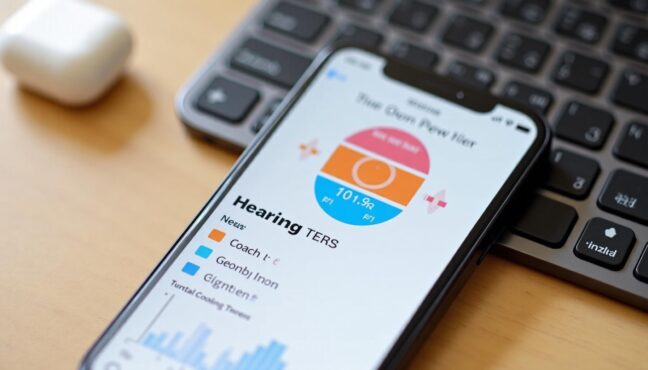
    Person checking iPhone settings with AirPods Pro 2 nearby
    Make sure your devices are updated and charged before starting!

    Step-by-Step Setup Guide

    Okay, let’s get into the good stuff! I tried this myself and it’s surprisingly straightforward. Here’s exactly what you need to do:

    Step 1: Update Your Devices

    First things first – make sure everything is updated. Go to Settings > General > Software Update on your iPhone and install iOS 18.1 if you haven’t already. Your AirPods should update automatically when they’re charging near your iPhone.

    Step 2: Start the Hearing Assistance Setup

    Once everything’s updated, go to Settings > [Your AirPods name] > Hearing Assistance > Setup Hearing Assistance. This is where the magic begins!

    Step 3: Take the Hearing Test

    Here you have two options:

    • Take Apple’s built-in hearing test – It’s super easy and takes about 5 minutes
    • Upload an audiogram from your doctor via the Health app if you have one

    I tried the built-in test and it was really intuitive – just follow the prompts and tap when you hear the tones. The whole process feels very Apple-like – clean, simple, and user-friendly. Make sure your AirPods are at least 80% charged for the hearing test to appear!

    Close-up of iPhone hearing test interface with AirPods Pro 2
    The hearing test interface guides you through the process step by step

    Step 4: Activate Hearing Aid Mode

    If your results show mild to moderate hearing loss, you’ll see the option to ‘Set Up Hearing Aid’. Tap it and follow the prompts. Once that’s done, tap ‘Turn On Hearing Aid’ to activate the feature.

    Important note: The Hearing Aid feature only works in Transparency mode, so make sure you’re not in Noise Cancellation mode when using it!

    Customizing Your Hearing Experience

    Now for the really cool part – fine-tuning your hearing settings! Once you’ve got the basic setup done, you can really personalize how everything sounds:

    Key Settings to Adjust:

    • Amplification Level: Controls how much sounds around you are amplified
    • Left-Right Balance: Perfect if one ear needs more help than the other
    • Tone: Choose between brighter or darker sound profiles
    • Ambient Noise Reduction: Reduce background noise while still hearing important sounds
    • Conversation Boost: This is my favorite – it focuses on the person directly in front of you
    • Own Voice Amplification: Makes your own voice sound more natural to you

    What’s really awesome is that these settings persist on your AirPods even when your iPhone isn’t nearby. So once you’ve got everything dialed in, you’re good to go!

    Quick Access and Daily Use Tips

    You don’t need to dig through settings every time you want to adjust things. The hearing controls are automatically added to your Control Center, so you can swipe down and make quick adjustments anytime.

    Here are some pro tips I’ve picked up:

    1. Make small adjustments over time – your brain needs time to adapt to the new sound
    2. Ensure proper ear tip fit – try different sizes if you’re not getting a good seal
    3. Use the ‘Swipe to Control Amplification’ gesture – swipe up or down on the AirPods stem to adjust amplification (this only works in Transparency mode when no media is playing)
    4. Don’t forget about Media Assist – this personalizes your music, video, and call audio using your hearing profile

    Person using AirPods Pro 2 for conversation in cafe setting
    The Conversation Boost feature shines in noisy environments like cafes!

    The Money-Saving Reality

    Let’s talk about the elephant in the room – cost. Traditional hearing aids can run you anywhere from $1,000 to $6,000+ per ear, with premium devices at the higher end. Meanwhile, if you already own AirPods Pro 2, you’re getting this hearing assistance feature for free.

    Even if you’re considering buying AirPods Pro 2 specifically for this feature, you’re looking at $249 instead of thousands. That’s an incredible value proposition, especially since these are FDA-approved and designed for mild to moderate hearing loss.

    Frequently Asked Questions

    Q: Does this work outside the US?

    A: Currently, the hearing aid features are only available in the US. Canada only has Hearing Protection features available for now.

    Q: Can I use this with any AirPods?

    A: No, this is specifically for AirPods Pro 2 with firmware 7B19 or newer. Older models don’t have the necessary hardware.

    Q: How accurate is the built-in hearing test?

    A: It’s designed to be quite accurate for detecting mild to moderate hearing loss, but it’s always good to consult with a professional if you have concerns.

    Q: Can I use Noise Cancellation with hearing assistance?

    A: No, the hearing aid feature only works in Transparency mode since it needs to amplify real-world sounds around you.

    Q: Will this replace my current hearing aids?

    A: If you have severe hearing loss, probably not. But for mild to moderate hearing issues, it could be a great solution!

    Q: Does using hearing assistance drain battery faster?

    A: There’s some impact, but Apple has optimized it well – you’ll still get several hours of use.

    Final Thoughts

    Honestly, I think this is one of the most exciting developments in wearable tech recently. The fact that Apple got FDA approval for this feature shows how serious they are about accessibility and health technology.

    What I love most is how seamlessly it integrates into daily life. You’re not wearing bulky, obvious hearing aids – you’re just wearing your AirPods like you normally would. The stigma around hearing assistance disappears, and you get the benefit of amazing sound quality for media too.

    If you’ve been struggling with hearing in certain situations, or if you know someone who has, this could be a real lifesaver. The setup process is quick, the customization options are extensive, and the potential savings are massive.

    Have you tried this feature yet? I’d love to hear about your experience in the comments! And if you found this guide helpful, share it with someone who might benefit from it. Until next time, happy listening! 🎧

    Note: This feature is intended for adults 18+ with mild to moderate hearing loss. Always consult with a hearing professional for medical advice.

  • Intermittent Fasting & Autophagy: A Beginner’s Guide

    Unlock Your Body’s Cellular Cleaning System: Autophagy & Intermittent Fasting Explained

    Hey friends! πŸ‘‹ Have you been hearing all the buzz about autophagy and intermittent fasting lately? I know I have – it seems like everyone from biohackers to wellness influencers is talking about this incredible cellular process. When I first heard about it, I was honestly a bit skeptical, but after diving deep into the science, I’m totally blown away by what our bodies are capable of!

    Autophagy (which comes from Greek and literally means ‘self-eating’) is like your body’s built-in housekeeping system. It’s the process where your cells clean out damaged parts and recycle them into healthier components. Think of it as taking out the cellular trash while simultaneously upgrading your body’s machinery! 🧹✨

    What really convinced me was learning that the brilliant scientist Dr. Yoshinori Ohsumi won the 2016 Nobel Prize for his autophagy research using baker’s yeast. His groundbreaking work identified key autophagy genes and completely revolutionized our understanding of cellular health.

    What Exactly Is Autophagy and Why Should You Care?

    Before we get into how to activate it, let’s talk about why autophagy is such a game-changer. When I looked into the benefits, I was honestly amazed at how comprehensive they are:

    • Anti-aging and longevity: While most research comes from animal studies, the evidence suggests autophagy helps clear out cellular damage that accumulates with aging
    • Reduced risk of neurodegenerative diseases: It helps remove toxic protein aggregates linked to Alzheimer’s and Parkinson’s, though therapies aren’t clinically available yet
    • Cardiovascular health improvement: Cleaner cells mean healthier blood vessels and heart function
    • Complex relationship with cancer: Autophagy can help prevent cancer in early stages but may support tumor survival in established cancers
    • Cellular renewal and repair: Your body literally rebuilds itself from the inside out!
    Person experiencing the anti-aging benefits of autophagy through intermittent fasting

    The research growth around autophagy is significant – according to bibliometric analysis, publications rose from about 10 per year in the 1960s-70s to over 3,000 annually by 2018. Scientists are now connecting autophagy to everything from cancer treatment to longevity studies!

    How to Actually Activate Autophagy: Your Practical Guide

    Okay, let’s get to the key benefits – how do you potentially turn on this cellular cleaning system? I’ve tried several methods myself, and here’s what the research suggests based on current evidence:

    1. Fasting – The Most Effective Method πŸ•’

    This is where intermittent fasting plays a key role! When you fast, your body switches from growth mode to repair mode, and that’s when autophagy may kick into gear. Here’s what the research indicates about timing:

    • 24-48 hours: Significant benefits may begin based on animal studies
    • 36-72 hours: Peak activation likely occurs
    • Important note: The popular 16-hour threshold isn’t well-supported by human research yet

    2. Popular Intermittent Fasting Methods

    If you’re new to fasting like I was, starting with these methods makes it easily manageable:

    16/8 Method: Fast for 16 hours, eat within an 8-hour window. This is my personal favorite and what I recommend for beginners. You might do dinner at 7 PM and not eat again until 11 AM the next day.

    Eat-Stop-Eat: This involves a 24-hour fast once or twice a week. So you might finish dinner at 7 PM and not eat again until 7 PM the next day.

    5:2 Diet: Eat normally for 5 days, then consume only 500-600 calories on 2 non-consecutive days.

    16/8 intermittent fasting method timer with healthy food options

    3. Ketogenic Diet

    When your body switches to fat-burning mode (ketosis), it may trigger some autophagy based on animal studies. Many people combine keto with intermittent fasting, though research suggests fasting remains the more potent autophagy inducer.

    4. Exercise

    Different exercise types affect autophagy in various ways. Research shows that long-term resistance training may be particularly effective for boosting autophagy in skeletal muscle, while high-intensity workouts work differently.

    5. Food Choices During Eating Windows

    What you eat when you’re not fasting matters too! Focus on:

    • Polyphenol-rich foods (coffee, green tea, turmeric, berries) – these are well-researched autophagy promoters
    • Moderate protein: Aim for about 0.8g per kg of body weight as a general guideline

    Here’s an important tip I learned: high protein intake can actually suppress autophagy, so balance is key. You want enough to preserve muscle mass but not so much that you might interfere with the cleaning process.

    Getting Started Safely: What You Need to Know

    Before you jump into any fasting protocol, there are some important safety considerations. When I started, I made sure to check these boxes first:

    Who should avoid fasting:

    • Pregnant or breastfeeding women
    • Diabetics (unless under medical supervision)
    • Those with eating disorders
    • Anyone with underlying health conditions

    Listen to your body: If you experience fatigue, lightheadedness, weakness, or nausea – stop and reevaluate. Longer fasts (beyond 24 hours) may require professional supervision for electrolyte management.

    It’s worth noting that the Cleveland Clinic states there’s not enough research to support inducing autophagy as a wellness strategy. Always consult with your healthcare provider before starting any new dietary regimen, especially if you have pre-existing health conditions.

    Consultation with healthcare provider before starting intermittent fasting for autophagy

    Frequently Asked Questions

    Q: How long until I start seeing benefits?
    A: Most people notice increased mental clarity and energy within the first week of consistent 16/8 fasting. The cellular benefits may be happening from day one, even if you can’t “see” them immediately!

    Q: Can I drink anything during my fasting window?
    A: Yes! Water, black coffee, and unsweetened tea are all fine. Just avoid anything with calories that might break your fast.

    Q: Will I lose muscle mass?
    A: Not if you’re doing it right! The moderate protein recommendation during eating windows helps preserve muscle while potentially allowing autophagy to work.

    Q: How often should I do longer fasts?
    A: For most people, sticking with daily 16/8 fasting and occasionally doing a 24-hour fast (1-2 times monthly) provides benefits without being too extreme.

    Q: Can I exercise while fasting?
    A: Absolutely! Many people find they have great workouts while fasted. Just listen to your body and stay hydrated.

    Ready to Start Your Cellular Spring Cleaning?

    Friends, I’ve got to say – understanding autophagy has completely changed how I think about health and wellness. It’s incredible that we have this built-in renewal system, and intermittent fasting is such an accessible way to potentially activate it.

    The beauty of starting with something like the 16/8 method is that it’s surprisingly easy once you get the hang of it. I remember being nervous at first, but now it feels completely natural. Plus, knowing that I’m supporting my cellular health while potentially reaping benefits makes it feel so worthwhile.

    Remember, while the research connecting autophagy to everything from neurodegenerative disease prevention to overall vitality is growing, human evidence remains preliminary. We’re living in an exciting time where we can use scientifically-backed methods to potentially support our health at the cellular level.

    Have you tried intermittent fasting for autophagy? I’d love to hear about your experiences! Drop a comment below and let’s chat about what’s worked for you. Here’s to cleaner cells and better health! πŸ₯‚

    Disclaimer: This post is for informational purposes only and not medical advice. Always consult with a healthcare professional before making significant changes to your diet or lifestyle.