Unlock Your Body’s Cellular Cleaning System: Autophagy & Intermittent Fasting Explained
Hey friends! 👋 Have you been hearing all the buzz about autophagy and intermittent fasting lately? I know I have – it seems like everyone from biohackers to wellness influencers is talking about this incredible cellular process. When I first heard about it, I was honestly a bit skeptical, but after diving deep into the science, I’m totally blown away by what our bodies are capable of!
Autophagy (which comes from Greek and literally means ‘self-eating’) is like your body’s built-in housekeeping system. It’s the process where your cells clean out damaged parts and recycle them into healthier components. Think of it as taking out the cellular trash while simultaneously upgrading your body’s machinery! 🧹✨
What really convinced me was learning that the brilliant scientist Dr. Yoshinori Ohsumi won the 2016 Nobel Prize for his autophagy research using baker’s yeast. His groundbreaking work identified key autophagy genes and completely revolutionized our understanding of cellular health.
What Exactly Is Autophagy and Why Should You Care?
Before we get into how to activate it, let’s talk about why autophagy is such a game-changer. When I looked into the benefits, I was honestly amazed at how comprehensive they are:
- Anti-aging and longevity: While most research comes from animal studies, the evidence suggests autophagy helps clear out cellular damage that accumulates with aging
- Reduced risk of neurodegenerative diseases: It helps remove toxic protein aggregates linked to Alzheimer’s and Parkinson’s, though therapies aren’t clinically available yet
- Cardiovascular health improvement: Cleaner cells mean healthier blood vessels and heart function
- Complex relationship with cancer: Autophagy can help prevent cancer in early stages but may support tumor survival in established cancers
- Cellular renewal and repair: Your body literally rebuilds itself from the inside out!

The research growth around autophagy is significant – according to bibliometric analysis, publications rose from about 10 per year in the 1960s-70s to over 3,000 annually by 2018. Scientists are now connecting autophagy to everything from cancer treatment to longevity studies!
How to Actually Activate Autophagy: Your Practical Guide
Okay, let’s get to the key benefits – how do you potentially turn on this cellular cleaning system? I’ve tried several methods myself, and here’s what the research suggests based on current evidence:
1. Fasting – The Most Effective Method 🕒
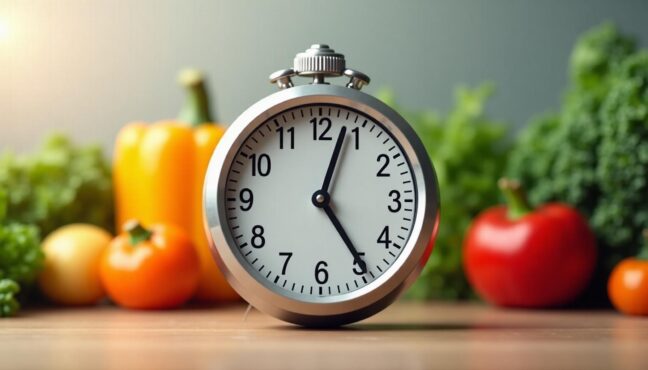
This is where intermittent fasting plays a key role! When you fast, your body switches from growth mode to repair mode, and that’s when autophagy may kick into gear. Here’s what the research indicates about timing:
- 24-48 hours: Significant benefits may begin based on animal studies
- 36-72 hours: Peak activation likely occurs
- Important note: The popular 16-hour threshold isn’t well-supported by human research yet
2. Popular Intermittent Fasting Methods
If you’re new to fasting like I was, starting with these methods makes it easily manageable:
16/8 Method: Fast for 16 hours, eat within an 8-hour window. This is my personal favorite and what I recommend for beginners. You might do dinner at 7 PM and not eat again until 11 AM the next day.
Eat-Stop-Eat: This involves a 24-hour fast once or twice a week. So you might finish dinner at 7 PM and not eat again until 7 PM the next day.
5:2 Diet: Eat normally for 5 days, then consume only 500-600 calories on 2 non-consecutive days.
3. Ketogenic Diet
When your body switches to fat-burning mode (ketosis), it may trigger some autophagy based on animal studies. Many people combine keto with intermittent fasting, though research suggests fasting remains the more potent autophagy inducer.
4. Exercise
Different exercise types affect autophagy in various ways. Research shows that long-term resistance training may be particularly effective for boosting autophagy in skeletal muscle, while high-intensity workouts work differently.
5. Food Choices During Eating Windows
What you eat when you’re not fasting matters too! Focus on:
- Polyphenol-rich foods (coffee, green tea, turmeric, berries) – these are well-researched autophagy promoters
- Moderate protein: Aim for about 0.8g per kg of body weight as a general guideline
Here’s an important tip I learned: high protein intake can actually suppress autophagy, so balance is key. You want enough to preserve muscle mass but not so much that you might interfere with the cleaning process.
Getting Started Safely: What You Need to Know
Before you jump into any fasting protocol, there are some important safety considerations. When I started, I made sure to check these boxes first:
Who should avoid fasting:
- Pregnant or breastfeeding women
- Diabetics (unless under medical supervision)
- Those with eating disorders
- Anyone with underlying health conditions
Listen to your body: If you experience fatigue, lightheadedness, weakness, or nausea – stop and reevaluate. Longer fasts (beyond 24 hours) may require professional supervision for electrolyte management.
It’s worth noting that the Cleveland Clinic states there’s not enough research to support inducing autophagy as a wellness strategy. Always consult with your healthcare provider before starting any new dietary regimen, especially if you have pre-existing health conditions.
Frequently Asked Questions
Q: How long until I start seeing benefits?
A: Most people notice increased mental clarity and energy within the first week of consistent 16/8 fasting. The cellular benefits may be happening from day one, even if you can’t “see” them immediately!
Q: Can I drink anything during my fasting window?
A: Yes! Water, black coffee, and unsweetened tea are all fine. Just avoid anything with calories that might break your fast.
Q: Will I lose muscle mass?
A: Not if you’re doing it right! The moderate protein recommendation during eating windows helps preserve muscle while potentially allowing autophagy to work.
Q: How often should I do longer fasts?
A: For most people, sticking with daily 16/8 fasting and occasionally doing a 24-hour fast (1-2 times monthly) provides benefits without being too extreme.
Q: Can I exercise while fasting?
A: Absolutely! Many people find they have great workouts while fasted. Just listen to your body and stay hydrated.
Ready to Start Your Cellular Spring Cleaning?
Friends, I’ve got to say – understanding autophagy has completely changed how I think about health and wellness. It’s incredible that we have this built-in renewal system, and intermittent fasting is such an accessible way to potentially activate it.
The beauty of starting with something like the 16/8 method is that it’s surprisingly easy once you get the hang of it. I remember being nervous at first, but now it feels completely natural. Plus, knowing that I’m supporting my cellular health while potentially reaping benefits makes it feel so worthwhile.
Remember, while the research connecting autophagy to everything from neurodegenerative disease prevention to overall vitality is growing, human evidence remains preliminary. We’re living in an exciting time where we can use scientifically-backed methods to potentially support our health at the cellular level.
Have you tried intermittent fasting for autophagy? I’d love to hear about your experiences! Drop a comment below and let’s chat about what’s worked for you. Here’s to cleaner cells and better health! 🥂
Disclaimer: This post is for informational purposes only and not medical advice. Always consult with a healthcare professional before making significant changes to your diet or lifestyle.